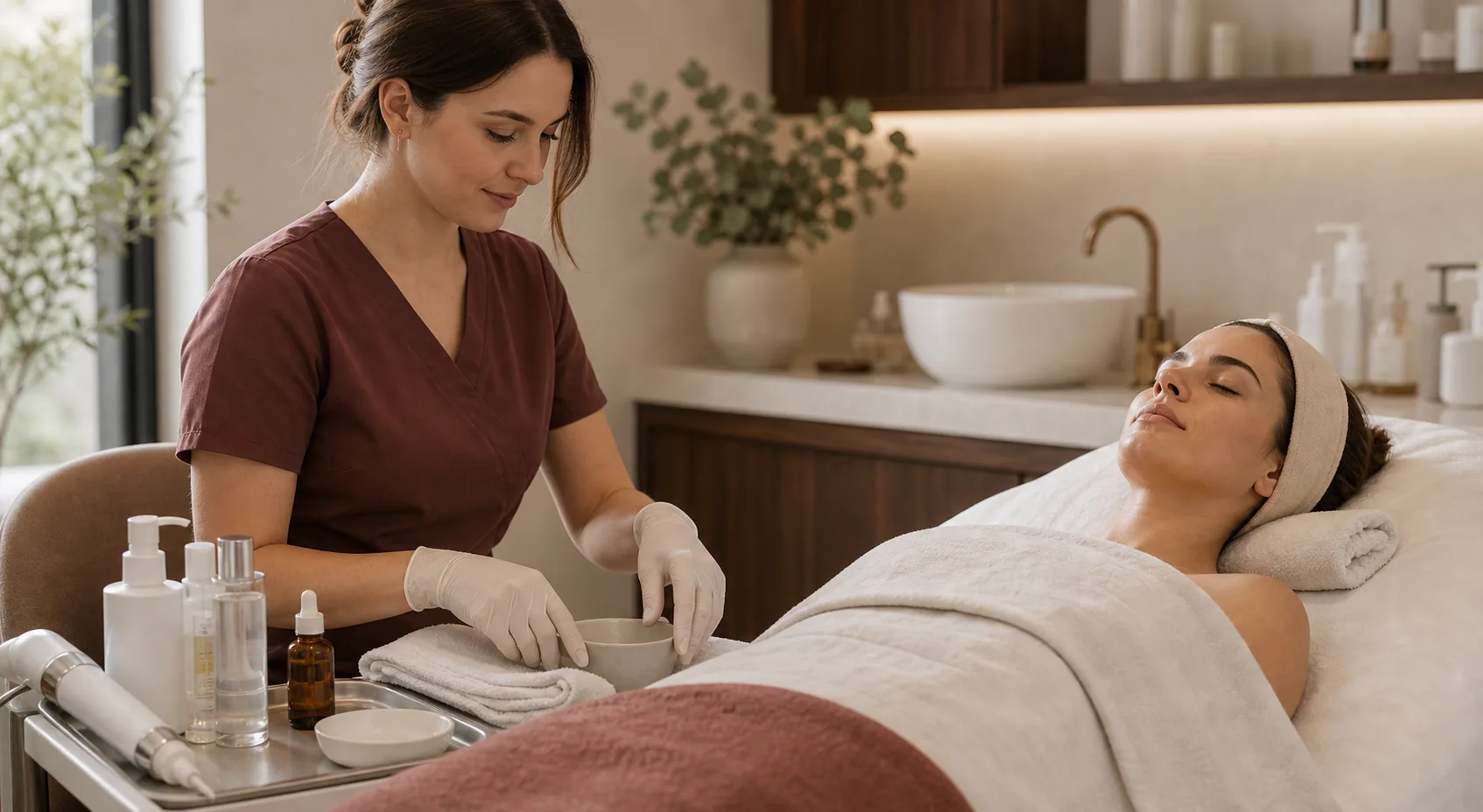
Choosing between a Hydrafacial and a basic facial can sound simple until you are the person trying to book the appointment. Both promise fresher skin. Both can feel relaxing. Both sit comfortably in a medical spa menu. But they do not serve the exact same mood, and they are not always chosen for the same reasons.
At Proxima Beauty in Mississauga, this question usually comes from clients who know their skin needs attention but do not want to overdo it. They may be preparing for an event, returning to professional skin care after a long break, or trying to understand whether their skin needs a glow treatment, a calm reset, or a longer plan. The right answer depends on how your skin looks, how it feels, what you want from the appointment, and what kind of recovery window fits your life.
A basic facial is the gentle reset
A basic facial is often the easiest place to begin. It is not trying to be the most dramatic appointment on the menu. Its strength is that it gives the skin care, attention, and comfort without asking too much from it. For someone who has never had a facial before, has sensitive skin, or simply wants a calm maintenance visit, that can be exactly right.
The appointment usually focuses on cleansing, assessment, hydration, massage, mask care, and finishing products chosen for the skin in front of the provider. It can help the face feel softer, more comfortable, and less neglected. It can also be a useful way to talk through your home routine, especially if your shelf has slowly become a mix of products that do not quite work together.
A basic facial is not a corrective treatment in the aggressive sense. It will not resurface deep texture or transform stubborn pigmentation. It is better understood as professional maintenance. Think of it as a conversation with your skin. It gives the provider a chance to see how your skin responds, and it gives you a chance to relax into clinical beauty care without choosing a more active service.
A Hydrafacial is the polished glow appointment
A Hydrafacial has a different rhythm. It is often chosen when the client wants visible freshness, smoother surface feel, hydration, and help with congestion. It has a more structured treatment flow than a basic facial, and many clients like it because it feels both clean and satisfying. There is a sense of the skin being lifted out of dullness.
The Hydrafacial experience is especially appealing when skin feels dry on the surface but still congested underneath. That combination is common: tight cheeks, makeup that does not sit smoothly, and pores or roughness around the nose and chin. A Hydrafacial can help the face feel clearer without the heaviness of a peel or the recovery planning of microneedling.
It is also a popular pre-event appointment because the result is usually about glow and smoothness rather than a dramatic healing process. That said, first-time clients should still leave a little space before a major event. Skin is individual. Some people leave looking immediately polished. Others may have temporary pinkness or sensitivity.
The biggest difference is intention
The real difference between the two appointments is not simply equipment versus hands. It is intention. A basic facial is for comfort, maintenance, and skin support. A Hydrafacial is for a more targeted clean-and-glow result. One is a calm reset. The other is a polished refresh.
If your skin feels irritated, reactive, or overwhelmed by products, a basic facial may be the wiser first step. If your skin feels dull, congested, and ready for a brighter finish, Hydrafacial may fit better. If you are unsure, the consultation can decide. You do not need to diagnose your own skin perfectly before booking.
Many clients think they should choose the stronger service because stronger sounds more valuable. That is not always true. The best treatment is the one your skin can receive well. A gentle appointment done at the right time can be more beautiful than an active appointment forced onto skin that is already stressed.
Skin sensitivity should influence the choice
Sensitive skin does not automatically mean you cannot have a Hydrafacial, but it does mean the appointment should be tailored. Your provider will want to know how easily you flush, whether products sting, whether you have recently used retinoids or exfoliating acids, and whether your skin has been irritated lately.
For very reactive skin, a basic facial may create more trust and comfort. It gives the provider a chance to observe your skin and learn what it tolerates. If the appointment goes well, Hydrafacial can be discussed later with more confidence.
For mildly sensitive skin, a Hydrafacial may still be appropriate when handled with restraint. The goal is not to push every step as far as possible. The goal is to leave the skin refreshed, hydrated, and calm enough to enjoy the result.
Congestion and texture tell another story
If your main concern is congestion, a Hydrafacial may be more satisfying. Clients often describe congestion as tiny bumps, roughness, blackheads, or a feeling that the skin never looks clean even after washing. A basic facial can help, but Hydrafacial is often chosen when the client wants a more focused appointment for clarity and surface smoothness.
If your main concern is deeper texture, such as acne scarring or long-standing unevenness, neither a basic facial nor a single Hydrafacial should be expected to solve everything. These appointments may improve the look and feel of the surface, but texture that lives deeper in the skin may need a different treatment plan, such as microneedling or a series of services.
That distinction is important for honest expectations. A Hydrafacial can make skin look fresher. It cannot turn textured skin into filtered skin overnight. A basic facial can make skin feel cared for. It cannot replace a corrective plan if the concern is structural.
Event timing matters
If you are booking before a wedding, party, photoshoot, vacation, or professional event, timing should be part of the decision. A basic facial is often a safe choice when you want calm, hydration, and no surprises. A Hydrafacial can be beautiful before an event, but first-time clients should not schedule it too close to the moment they care about most.
For repeat clients who already know how their skin responds, booking closer to an event may be comfortable. For new clients, a few days of space is usually wiser. That way any temporary pinkness can settle, and you have time to enjoy the hydrated finish.
Also think about what else is on your calendar. Do not stack new active skin care, waxing, strong exfoliation, sun exposure, and a treatment all in the same tiny window. Skin likes rhythm. When you give it too many instructions at once, it can become reactive.
Your home routine still matters
Both appointments work better when your home routine is not fighting them. A basic facial can reveal that your skin needs more moisture, less scrubbing, or a gentler cleanser. A Hydrafacial can give you a smoother start, but it will not protect the result if you go home and immediately over-exfoliate.
After either appointment, follow the provider’s aftercare instructions. Keep the skin hydrated. Use sun protection. Pause strong actives if advised. Resist the urge to celebrate fresh skin by testing three new products. Good skin care is often quieter than clients expect.
This is also where maintenance becomes easier. A professional appointment can help you notice what your skin actually needs. Once you understand that, you may not need as many random products at home.
Which one should you book first?
If you are completely unsure, book the appointment that matches your current skin mood. If the skin feels fragile, dry, reactive, or neglected, a basic facial is a kind first step. If the skin feels dull, congested, and ready for a brighter surface, Hydrafacial may be the more satisfying choice.
If you are new to Proxima Beauty and want a proper conversation, either appointment can become a starting point. The provider can guide you based on your skin, your goals, and your timeline. You are not locked into a treatment identity because you chose one service once.
The most important thing is to avoid treating your skin like a problem to punish. Whether you choose a Hydrafacial or a basic facial, the appointment should feel like care. Clearer, softer, brighter skin can come from consistency, restraint, and good decisions made at the right time.
For many clients in Mississauga, the best plan is not choosing one forever. It is using both intelligently. A basic facial when the skin needs calm. A Hydrafacial when it needs polish. A more advanced treatment when deeper goals are ready to be addressed. Skin is seasonal, emotional, hormonal, and human. A good treatment menu should leave room for that.